




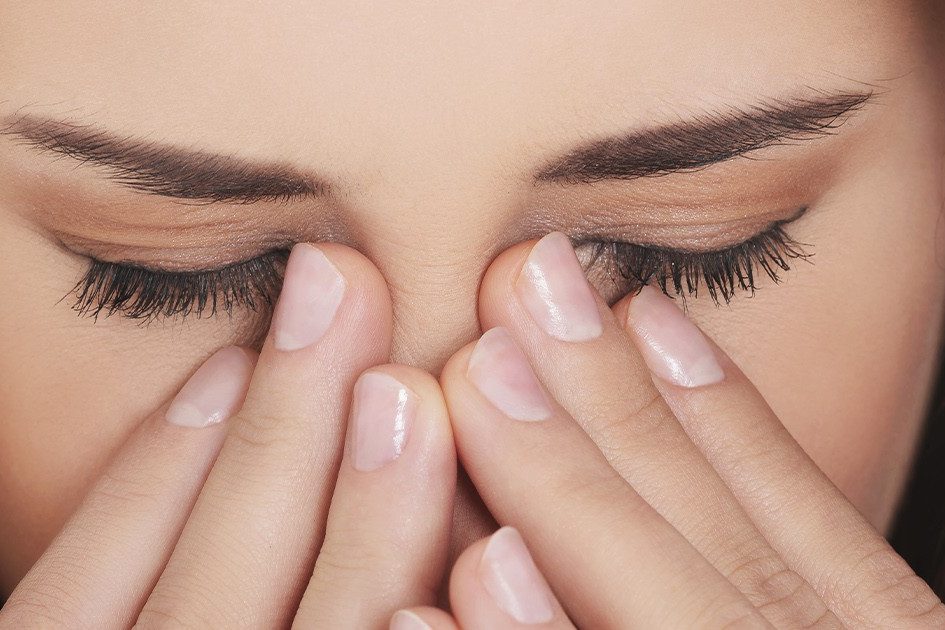
Many individuals struggle with seasonal allergies and sinus infections, which is the main reason why they may see their doctors each fall or spring. While seasonal allergies and sinusitis often present with similar, frustrating symptoms, they are distinct conditions requiring different approaches to treatment. Understanding the root cause of your discomfort, whether it’s an immune response to allergens or a stubborn sinus infection, is the first step toward reclaiming your quality of life.
At Houston Advanced Nose and Sinus, we specialize in helping patients navigate this confusion with precision. Dr. Arjuna Kuperan, an award-winning rhinologist and board-certified otolaryngologist (ENT), is dedicated to providing advanced, personalized care. Whether you are dealing with seasonal allergies or chronic sinusitis, we are here to help you get the clear answers and effective solutions you need to start living pain-free.
If you are ready to stop guessing and start feeling better, contact us online for a consultation or call our office today at (713) 701-5704.
Contents
- 1 About Seasonal Allergies vs. Sinusitis
- 2 What Causes Seasonal Allergies?
- 3 What Causes Sinusitis?
- 4 How to Tell the Difference
- 5 Treatment Options for Seasonal Allergies and Sinusitis
- 6 Candidates
- 7 Personal Consultation
- 8 When Should You See a Doctor for Your Sinus Symptoms?
- 9 Cost of Seasonal Allergy or Sinusitis Treatments in Houston and The Woodlands
- 10 FAQ
- 10.1 What are the main differences between seasonal allergy and sinusitis symptoms?
- 10.2 What causes seasonal allergies?
- 10.3 What causes sinusitis?
- 10.4 What are treatments for seasonal allergies and sinusitis?
- 10.5 Will allergies or sinusitis come back after treatment?
- 10.6 When should I receive treatment for my symptoms?
- 11 References
About Seasonal Allergies vs. Sinusitis
Seasonal allergies and sinusitis often present with overlapping symptoms, which can lead to confusion during diagnosis. Although these conditions are different, it is important to receive proper diagnosis and treatment. Both conditions can cause nasal congestion by blocking airflow through your nasal passageways, a headache from pressure in your head, and fatigue as a result of poor sleep or immune response.
| Seasonal Allergies | Sinusitis | |
|---|---|---|
| Common Symptoms | Itchy/watery eyes, sneezing, itchy nose/throat. | Facial pain/pressure, fever, tooth pain, loss of smell. |
| Typical Mucus Appearance | Clear, thin, and watery. | Thick, yellow or green. |
| Typical Duration | Varies by season (often weeks or months). | Usually 7–10 days or longer. |
The treatment paths for these two conditions vary significantly. Seasonal allergies are typically managed with antihistamines or nasal steroids to block the allergic response. In contrast, sinusitis may require decongestants, saline rinses, or—if bacterial infection is present—a course of prescription antibiotics.
What Causes Seasonal Allergies?
Seasonal allergies affect more than 400 million people worldwide and are among the most prevalent chronic diseases. (1) Seasonal allergies happen when the immune system overreacts to tiny airborne particles such as pollen and mold spores. It occurs when you breathe them in and your body treats them like dangerous invaders, which causes sneezing and a runny nose. Tree, grass, or plant pollen can trigger your body’s allergic response. Your body reacts because it incorrectly flags safe pollen as a harmful germ, and white blood cells create chemicals that inflame your nose and eyes.
What Causes Sinusitis?
Sinusitis happens when your sinus tissues begin to swell and block normal mucus drainage, primarily triggered by viruses, bacteria, and allergies. Viral infections are the most common cause of sinusitis, as they start off as a normal cold or upper respiratory illness, while bacteria are the second most common reason, as they can take over when a viral infection lingers and traps fluid in the blocked spaces. Additionally, allergens and irritants such as pollen, dust, chemical fumes, and cigarette smoke can irritate and inflame the airway lining. (2)
How to Tell the Difference
Distinguishing between seasonal allergies and sinusitis involves evaluating specific symptoms like itching, mucus consistency, facial discomfort, and the presence of a fever. Allergies typically present with clear mucus and intense itching affecting the eyes, nose, and roof of the mouth. In contrast, sinusitis produces thick, discolored discharge and generally does not cause eye or nose itchiness. Furthermore, while allergies can also cause mild stiffness or a slight headache, sinusitis is characterized by a heavy pressure or sharp pain in your cheeks, forehead, and around the eyes. A fever is another major differentiator, as it does not accompany allergies, but can manifest as a low-grade or high fever during sinusitis due to bacterial infection.
The onset and duration of these conditions can also contrast significantly. Allergy symptoms can trigger right after you inhale an environmental factor like pollen, lasting as long as the exposure continues. On the other hand, sinusitis typically arises following a cold or unresolved allergies and can last up to ten days.
Treatment Options for Seasonal Allergies and Sinusitis
You can treat your seasonal allergies with oral antihistamines, steroid sprays, and medicated eye drops. Because seasonal allergies are common, over-the-counter antihistamines such as loratadine, cetirizine, and fexofenadine are readily available to stop sneezing, itching, and a runny nose. Nasal steroid sprays such as fluticasone and triamcinolone may also help reduce swelling and treat nasal stuffiness. Additionally, eye relief drops can also ease red and itchy eyes. Daily prevention measures like avoiding high pollen areas, keeping indoor air clean, and using a saline nasal rinse can help prevent your symptoms from worsening. (3)
Depending on the cause of your sinusitis, your treatment plan will vary and may include pain relievers, saline rinses, and decongestants. Over-the-counter medications like acetaminophen or ibuprofen help reduce headaches and facial pain, while decongestants assist with breathing and saline rinses help clear away thick mucus. For bacterial infections, antibiotics may be necessary. If your symptoms worsen and over-the-counter treatments fail to provide relief, you may require nasal surgery, such as balloon sinuplasty or endoscopic sinus surgery.
Candidates
If you are currently experiencing seasonal allergies, thick mucus, facial pressure, a fever, or other symptoms that are affecting your quality of life, you may be an ideal candidate for over-the-counter treatments and potential surgical procedures, depending on the severity of your symptoms. Suitable candidates must maintain realistic expectations for their recovery, as nasal congestion and allergies may persist or take time to fully subside. If you are uncertain about what condition you are experiencing, take our Sinus Quiz to learn more about your symptoms and properly gauge your diagnosis.
Personal Consultation
During your personal consultation, Dr. Kuperan will thoroughly review your medical history, discuss your symptoms, and evaluate your current or past medications to ensure an accurate diagnosis and recommend the best treatment for your needs. He will also perform a detailed examination of your nasal passages using a CT scan or endoscopy to detect any underlying sinus issues. This visit provides a great opportunity to address any questions or concerns, and sharing your Sinus Quiz results can further help in your diagnosis.
If you want to alleviate your symptoms and improve your nasal health, contact us online or call our office at (713) 701-5704 to request a personal consultation.
When Should You See a Doctor for Your Sinus Symptoms?
You should seek professional help from a rhinologist if you get sinus infections several times a year or if you have sinus infection symptoms that have lasted longer than 10 days with no relief. (4) You should also seek help if your sinus symptoms improve for a couple of days but then worsen days later, if you have a fever for more than three days, or experience severe pressure in your face and teeth. Furthermore, seek immediate care if you experience severe fatigue, confusion, or difficulty speaking.
Cost of Seasonal Allergy or Sinusitis Treatments in Houston and The Woodlands
The total cost of your seasonal allergy or sinusitis treatment will vary depending on the severity of your nasal concerns and whether or not you will need more advanced treatments to alleviate your symptoms. Dr. Kuperan and his team will provide you with a detailed cost outline during your personal consultation.
FAQ
What are the main differences between seasonal allergy and sinusitis symptoms?
The main differences between seasonal allergies and sinusitis are the presence of itching, the color and thickness of mucus, and facial pain. Other indicators are itchy eyes, a fever, or facial pressure.
What causes seasonal allergies?
When your immune system mistakes a safe substance for a dangerous germ, the antibodies release chemicals that cause you to sneeze, itch, or swell up. Pollen from trees, grass, or other plants and mold spores are the main trigger for seasonal allergies year round.
What causes sinusitis?
Sinusitis can occur when your tissues swell and block normal mucus drainage, which is usually triggered by viruses, bacteria, and allergies. A deviated septum, nasal polyps, and a weakened immune system may also cause sinusitis to worsen over time.
What are treatments for seasonal allergies and sinusitis?
Most seasonal allergies can be treated with over-the-counter medications such as oral antihistamines, steroid sprays, and saline rinses. While sinusitis can be treated with pain relievers, saline rinses, and decongestants and, at times, nasal surgery.
Will allergies or sinusitis come back after treatment?
Yes, both allergies and sinusitis can come back after treatment, especially if the root causes, like ongoing immune triggers, nasal blockages, or environmental exposure, are left unmanaged. This is primarily because ongoing exposure to mold, pollen, dust, or smoke can restart inflammation.
When should I receive treatment for my symptoms?
You should receive treatment if your symptoms have lasted more than 10 days, you get seasonal allergies very often, or your symptoms worsen even after trying over-the-counter medications.
References
- Cohen B. Allergic Rhinitis. Pediatrics in review. 2023;44(10):537-550. doi:10.1542/pir.2022-005618
- Wagenmann M, Naclerio RM. Anatomic and physiologic considerations in sinusitis. The Journal of Allergy and Clinical Immunology. 1992;90(3):419-423. doi:10.1016/0091-6749(92)90161-t
- Youngs R. Sinusitis in adults. Current opinion in pulmonary medicine. 2000;6(3):217-220. doi:10.1097/00063198-200005000-00009
- Reilly JS. The sinusitis cycle. Otolaryngology-Head and Neck Surgery. 1990;103(S5):856-862. doi:10.1177/01945998901030s504