




Skull Base Surgery Procedures
Consultations offered at our two convenient locations in Houston and The Woodlands, TX

Orbital tumor resection is a specialized surgical procedure performed to remove abnormal growths within the eye socket (orbit) while preserving vision and surrounding structures. These tumors may be benign or malignant and can affect the eye, optic nerve, and nearby tissues, often leading to symptoms such as vision changes, eye bulging, or discomfort. Early evaluation and precise imaging are essential to determine the nature and location of the tumor, allowing for a tailored surgical approach that prioritizes both safety and functional outcomes.
Contents
Orbital Tumor Resection

If you have signs or symptoms of an orbital tumor it may need resection / removed and it is critical to consult a Rhinologist immediately for an accurate diagnosis and treatment plan. The initial evaluation will consist of an examination of the eye(s) and a nasal endoscopy (looking inside the nose with a small camera). Next, an MRI of the orbit is performed to determine if there is a tumor mass in the orbital cavity and exactly where it is located.
Anterior Skull Base Tumor Resection

If you have signs or symptoms of a sinus or skull base tumor it is critical to consult a Rhinologist immediately for an accurate diagnosis of treatment plan and a possible anterior skull base resection. The initial evaluation will consist of a nasal endoscopy (looking inside the nose with a small camera) to determine if a sinus or skull base tumor is present.
Pituitary Tumor Resection
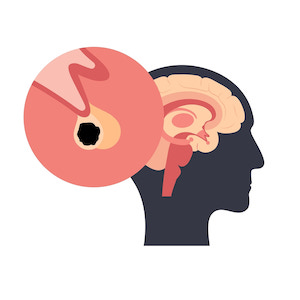
If you have signs or symptoms of a pituitary tumor it is critical to consult a Rhinologist for an accurate diagnosis and treatment plan for a pituitary tumor resection. Dr. Kuperan’s super specialized expertise and experience as a Rhinologist will make sure you get the best treatment too quickly and safely remove your pituitary tumor.
Medial Orbital Decompression
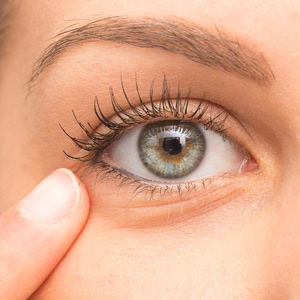
If you have signs or symptoms of orbital proptosis, it may need an medial orbital decompression. It is critical to consult a Rhinologist immediately for an accurate diagnosis and treatment plan. The initial evaluation will consist of an examination of the eye(s), laboratory testing for elevated thyroid hormone antibody levels, and a nasal endoscopy (looking inside the nose with a small camera).